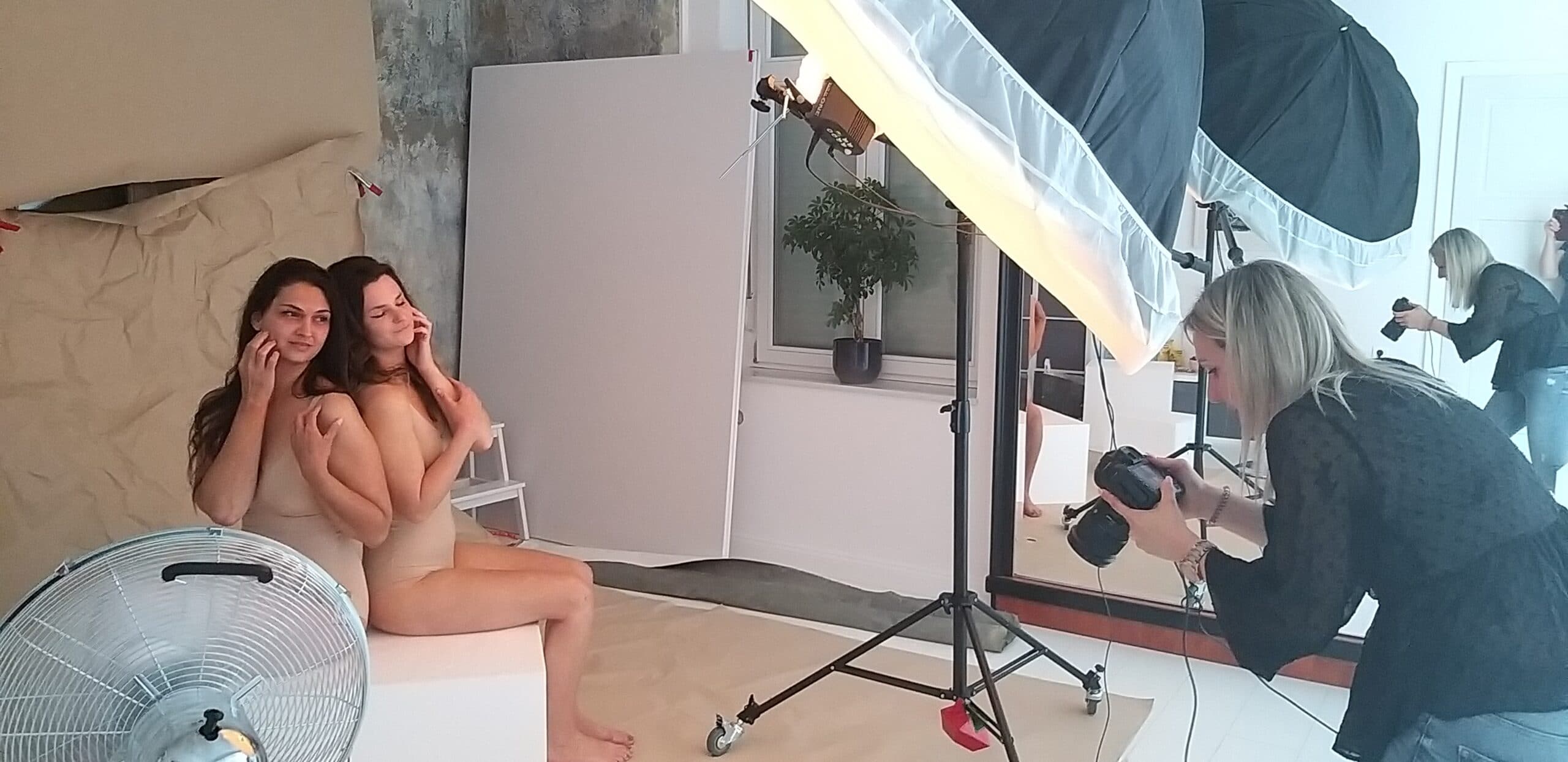
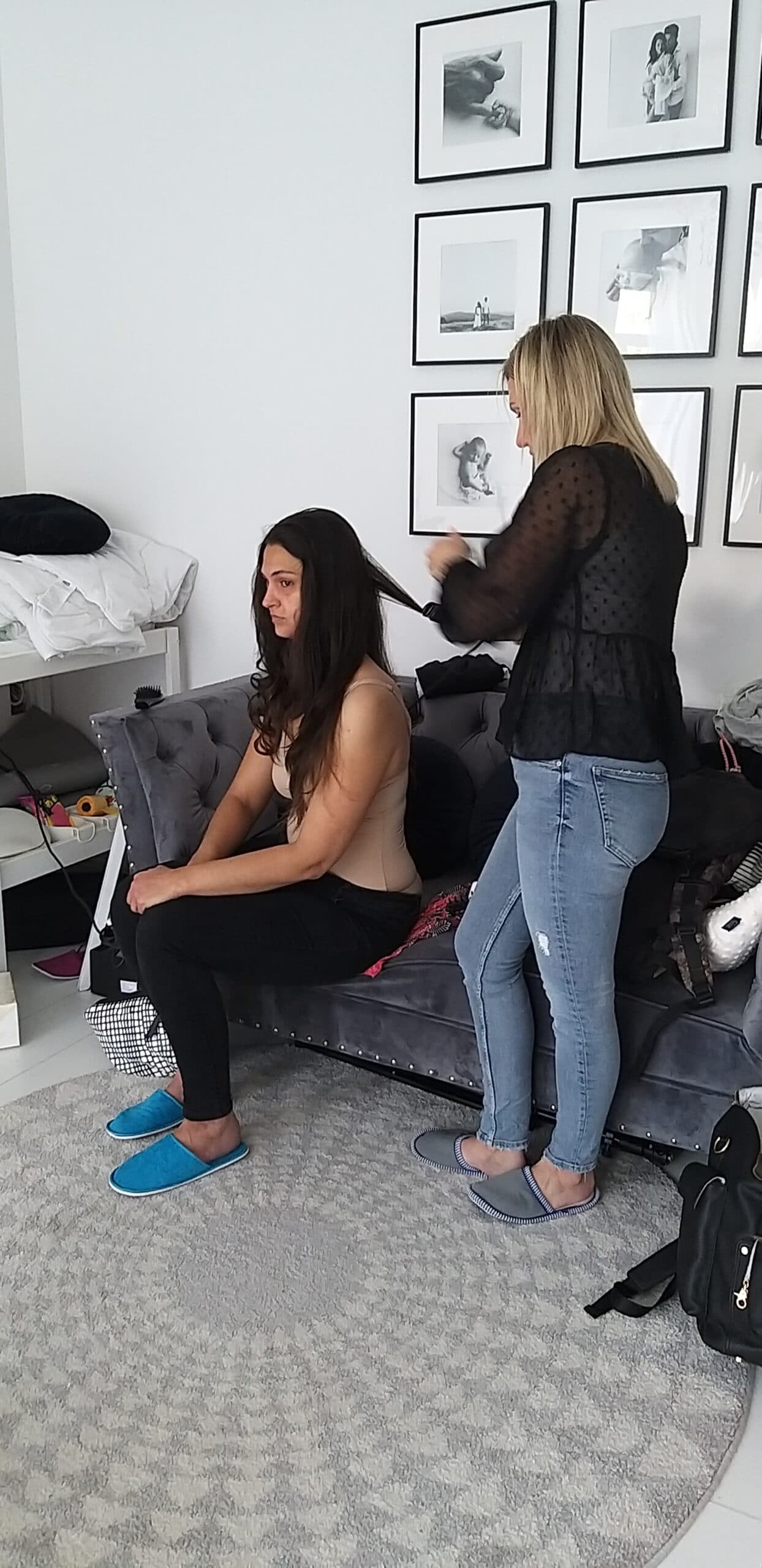
At Institute Atopika we joined forces with the photographer Ines Krivec from Ines Image Studios in Rogaška Slatina and embarked on a project entitled “Beneath the Skin.” We invited kids and adults with atopic dermatitis to step in front of the camera and expose their vulnerable and heavily damaged skin. Atopic dermatitis patients are often targets of unwanted commentary and mockery due to the state of their skin—they are perceived as ugly, disgusting, contagious.
The project aims to pave the way for the understanding that an illness is never “ugly” or “disgusting.” It can be beautiful, too, and rouse feelings of compassion in us. Hopefully, the images will help raise awareness about atopic dermatitis in public and gradually reduce the stigma experienced by the patients.
We would like you to meet the people who took part in our project and wanted to be introduced. Today it’s Maksim’s turn.
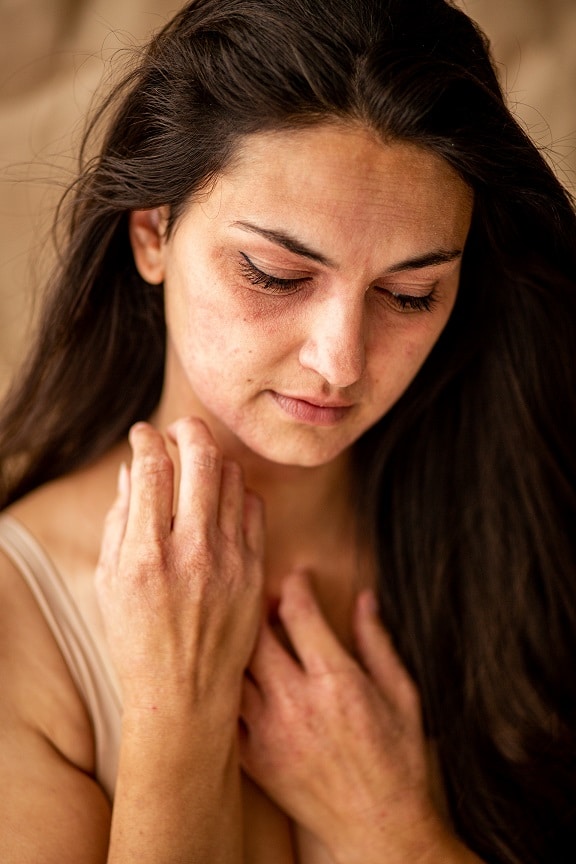
Maksim why did you decide to join the project?
I decided to join because of myself, my son and everyone who struggles with atopic dermatitis. The number of people suffering from this illness is sadly increasing and it’s necessary to make the public aware of it and to help each other.
Who or what gave you the courage to participate?
It was my son. The moment I heard about this project, I knew that I wanted to participate and help the other patients and their families.
What would you like to tell to the doctors, who take care of patients with AD?
All the doctors whom we visited with our son (and there were many of them), really devoted their time to us and our AD. For me all these doctors are people with the greatest hearts because it isn’t easy for them to watch children suffer day in and day out, night in and night out. Thank you for always doing everything you can for the patients, for consulting amongst yourselves and for doing research into what more you can do/discover to treat this illness. You often prescribe corticosteroid creams and drugs, although we all know that they aren’t long-term solutions. Thank you also for listening because I think that you can only figure out what triggers a patient’s illness by getting to know him or her.
Trust is the most important element in the patient-doctor relationship. It’s important that the parents or the patient listen to their doctor and follow his or her instructions. A doctor who listens to the patients and takes their opinions into account when it comes to diagnosis and treatment is the best!
What would you like to say to people who don’t want to get to know the illness, to everyone who treats AD as contagious, who avoids socialising with AD patients and who denies them equal rights?
You never know what will happen to you down the life’s path. Will you fall ill or not; will you have a good day or not; will you be successful at your job or not. It’s important that we see life in a positive light and go through each day with a smile on our faces; we need to take advantage of each and every moment.
Unfortunately, atopic dermatitis is a very frequent illness today. It’s highly likely that you’ll hear about this disease from friends or acquaintances who live with it every day. It can occur at birth or later in life, you never know. All of us who have atopic dermatitis, our illness isn’t contagious. We aren’t incapable of work; we aren’t physically deficient. Please accept us as we are. We can be ok one day and a little worse the next. On the third day, we can be lying in a hospital. If you’re interested in what’s going on with us, ask us; we’ll be happy to answer your questions and explain everything. We’re still people with a lot of patients, feelings, worries. We need a lot of care, medical or otherwise, and we are people who know how to accept and help those who are different. Namely, this illness has brought together many people who would otherwise never have gotten to know each other. It gave rise to many societies and groups where we help each other out. We’re less focused on people who harm us and enjoy each and every day of our lives. We try to do the best with what we have.